
The International Webinars on Cell and Tissue Engineering (CTEng) are weekly online seminars by COMPASS RG - CICECO, University of Aveiro, Portugal. Featuring top international speakers, these sessions offer cutting-edge insights and a strong training component. Free registration required.



The Team
The organizing team is part of Compass, a research group from CICECO – Aveiro Institute of Materials at the University of Aveiro, Portugal.
Endorsed by


May 29, 09h00 (Lisbon/London Time)
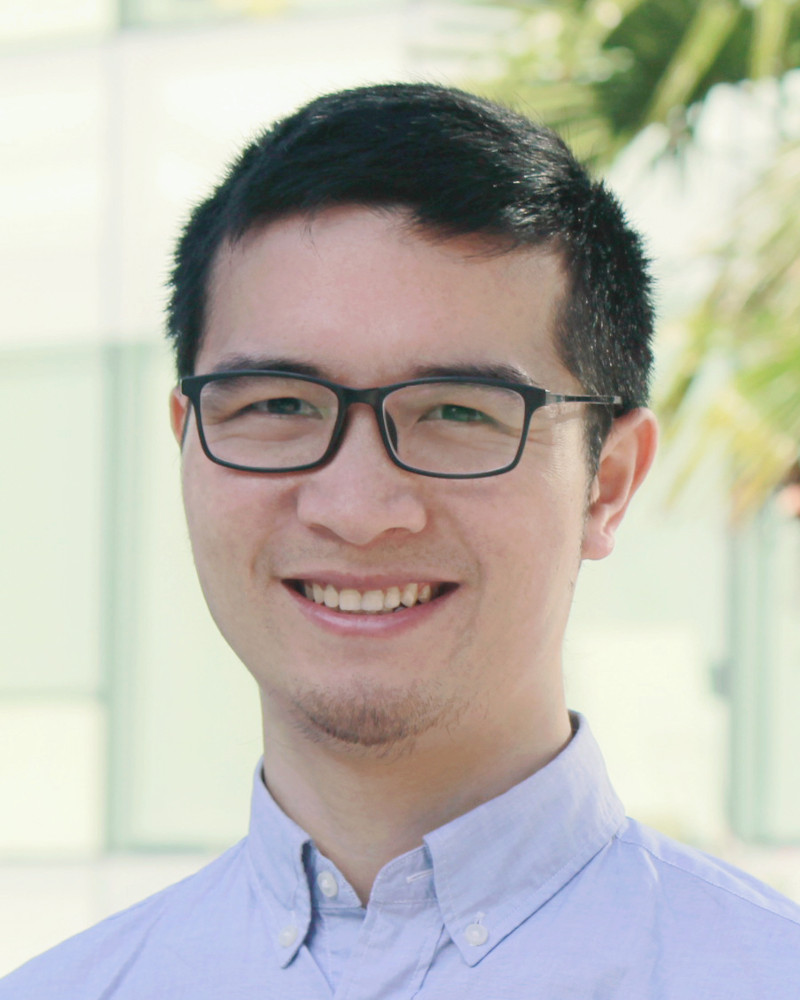
Prof. Xin Zhao
Photocrosslinkable polymers for tissue regeneration
Dr. Xin Zhao is a Professor in the Department of Applied Biology and Chemical Technology at The Hong Kong Polytechnic University (PolyU). Her research focuses on Translational Regenerative Medicine, integrating material science, cell biology, engineering, and medicine to develop tissue-engineered organs and address clinical challenges. Dr. Zhao has published over 100 articles (h-index 67) in leading journals and is recognized as a Highly Cited Researcher (Clarivate Analytics, 2022) and among the World’s Top 2% Scientists (Stanford University, 2023–2025). She has received numerous awards, including the National Science Fund for Excellent Young Scholars (2021) and the Outstanding Scientist Award of TERMIS-AP, 2025. Her innovative bone grafts and 3D-printed scaffolds have won multiple international invention awards and attracted significant funding for clinical translation. Dr. Zhao also serves as a founding and associate editor for several scientific journals.
The Hong Kong Polytechnic University, China
Impactful insights
Every week, these sessions feature top international speakers, delivering cutting-edge insights and a robust training component. All agenda times are in Lisbon/London time.
February 13 · 09h00
Tsinghua University, China
Liliang Ouyang
Enabling Bioinks for 3D Cell Culture and Tissue Engineering

March 6 · 09h00
Dresden University of Technology, Germany
Carsten Werner
Exploring Multifactor Affinity Materials and the Path to their Applications
March 13 · 09h00
University of New South Wales, Australia
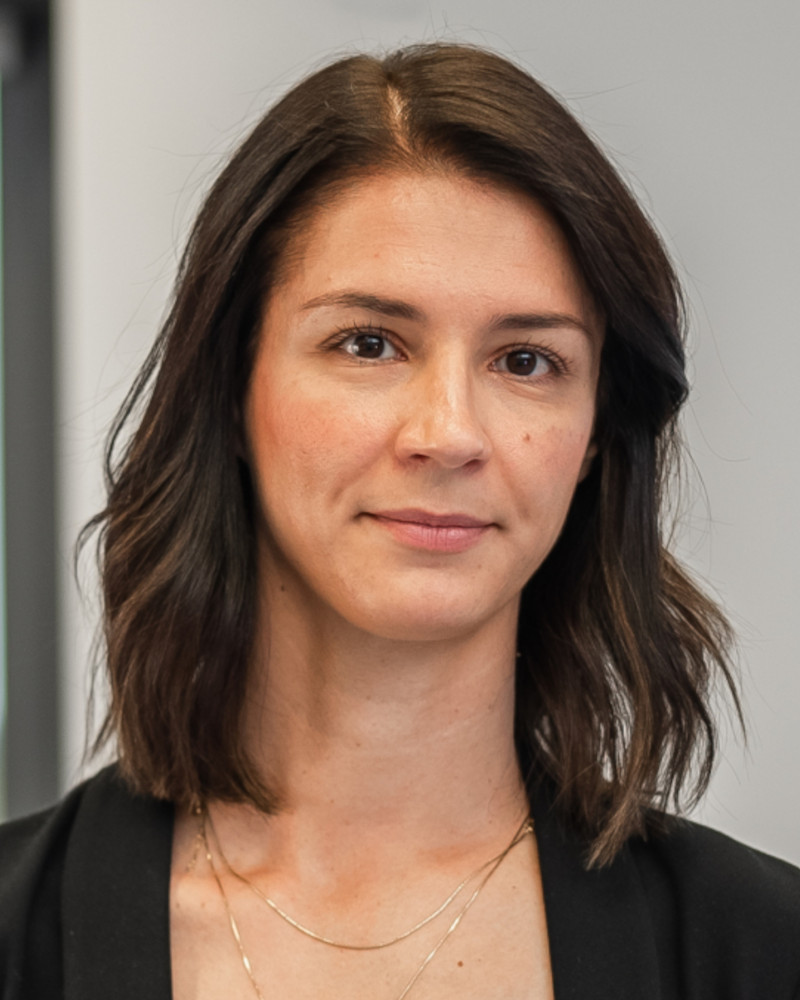
Jelena Rnjak-Kovacina
Engineering biomimetic silk biomaterials for cardiovascular applications
March 20 · 09h00
Trinity College Dublin, Ireland
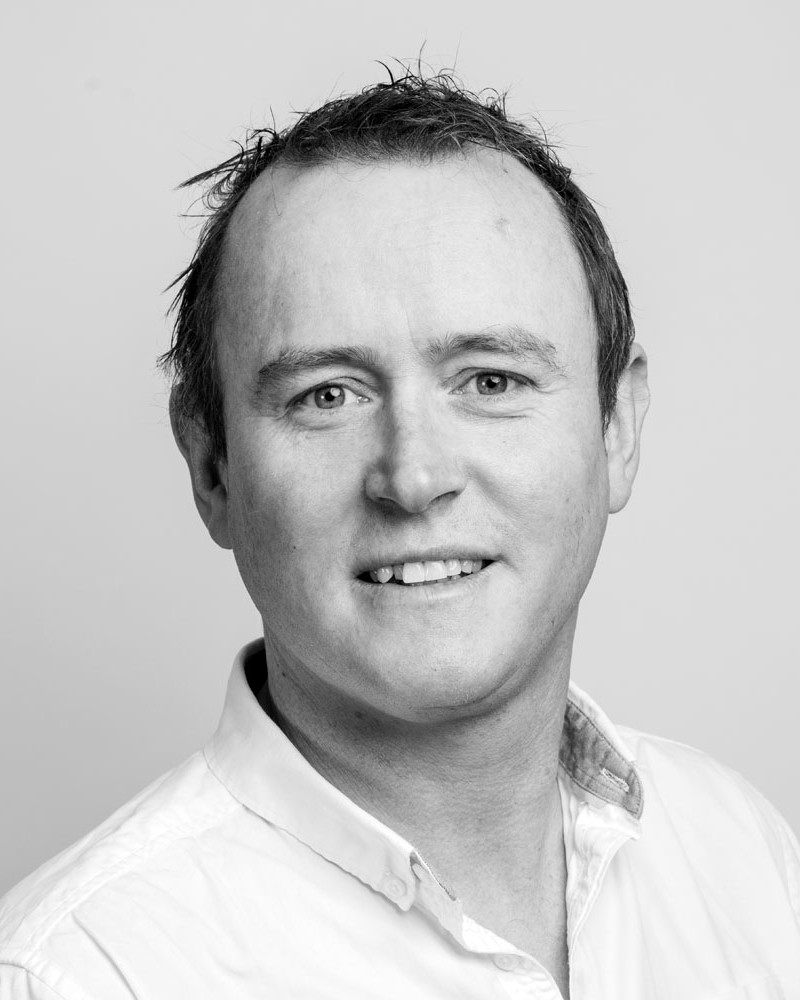
Daniel Kelly
Biofabrication and Bioprinting Strategies for Musculoskeletal Tissue Regeneration

March 26 · 20h00
Stanford University, CA, USA
Fan Yang
Local Matrix Mechanics Matter: 3D Insights from Regeneration to Disease Progression

April 16 · 20h00
University of Toronto, Canada
Milica Radisic
Immune Cells as Architects of Function in Vascularized Organs-on-a-Chip
April 17 · 09h00
Maastricht University, The Netherlands
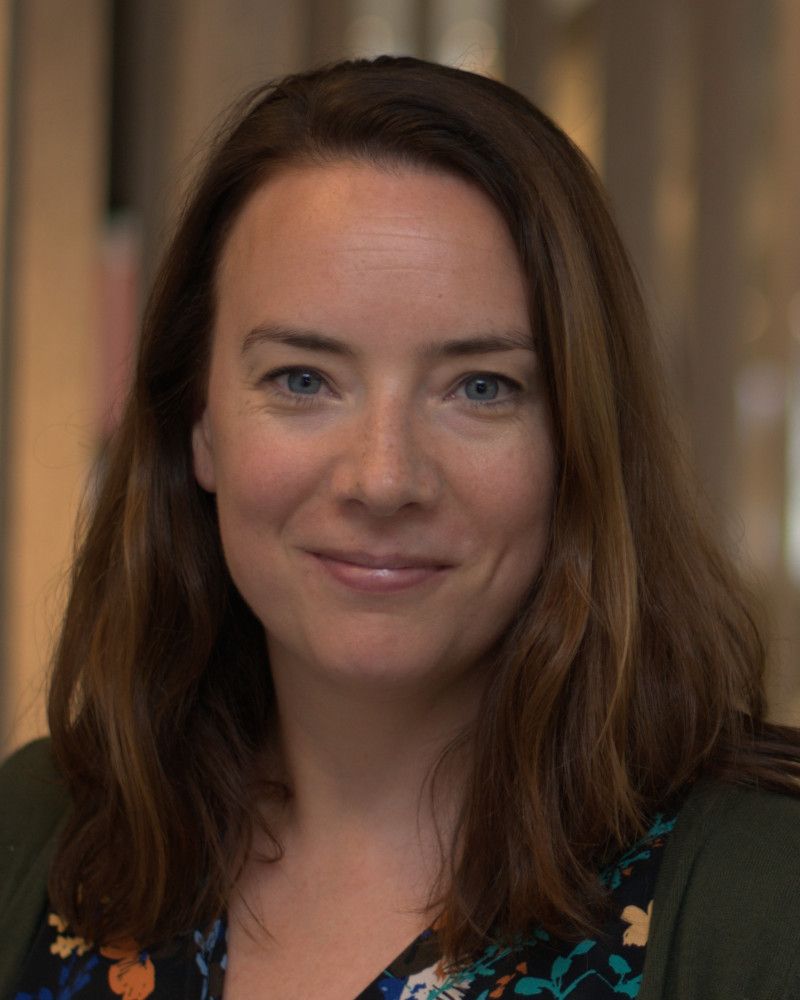
Sabine van Rijt
Chemical Design of Inorganic Nanomaterials to Guide Tissue Regeneration
May 8 · 09h00
Polytechnic University of Catalonia, Spain
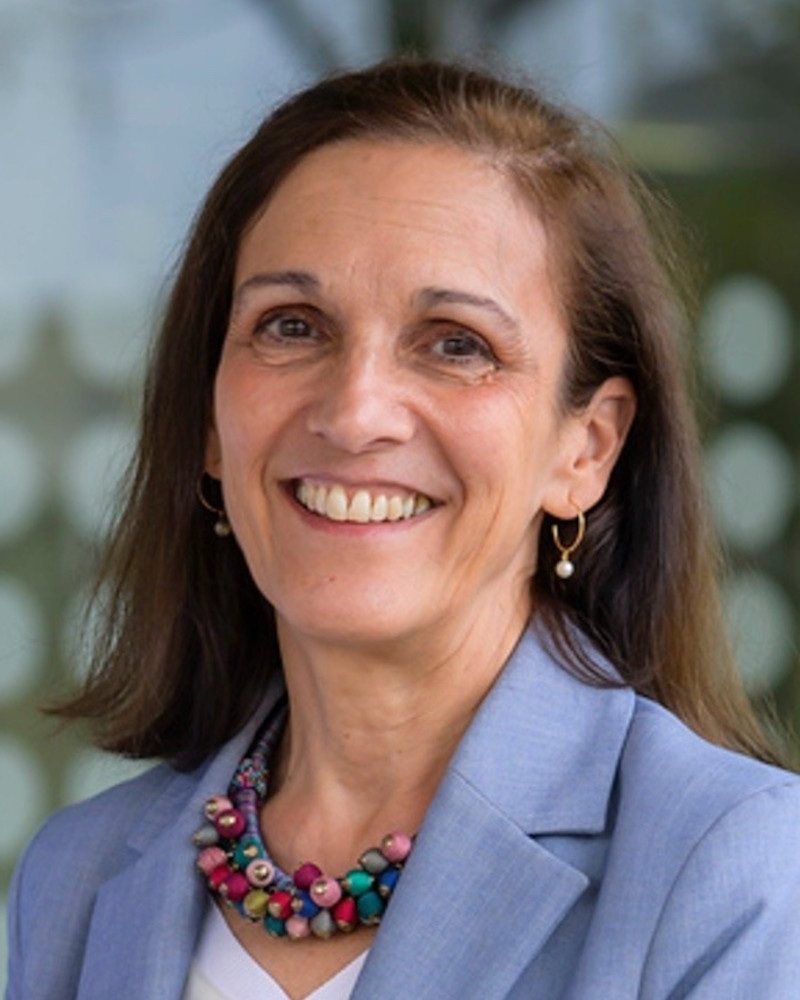
Maria Pau Ginebra
Spider silk biomimicry for biomedical applications

May 14 · 20h00
University of California, USA
Zev Gartner
Building tissues to understand how tissues build themselves
May 15 · 09h00
University of Tübingen, Germany
Judith Feucht
Engineering immune cells to fight cancer

May 22 · 09h00
University of Groningen, The Netherlands Silesian University of Technology, Poland
Małgorzata (Gosia) Włodarczyk-Biegun
Dynamic Materials in Action: Toward Adaptive and Programmable Tissue Engineering
May 29 · 09h00
The Hong Kong Polytechnic University (PolyU), Hong Kong
Xin Zhao
Photocrosslinkable polymers for tissue regeneration
Join us!
Register now to join the webinar series and stay updated on upcoming talks and key event details!
Done!
Thank you for registering! We look forward to seeing you soon.Please check your email (including your SPAM folder) for a confirmation message. If you do not receive any email, please register again.
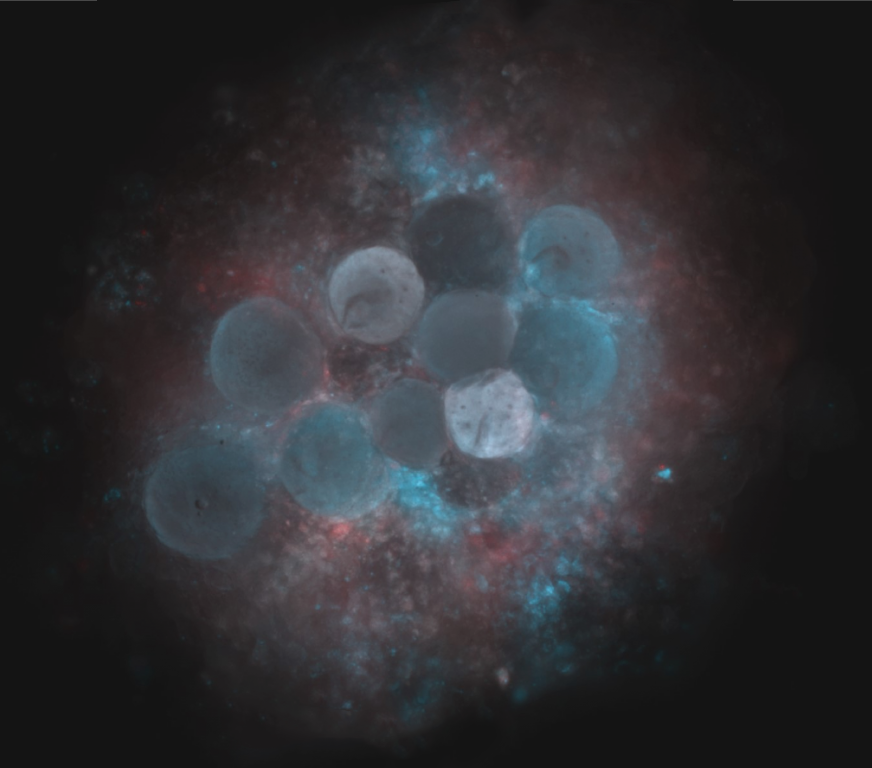
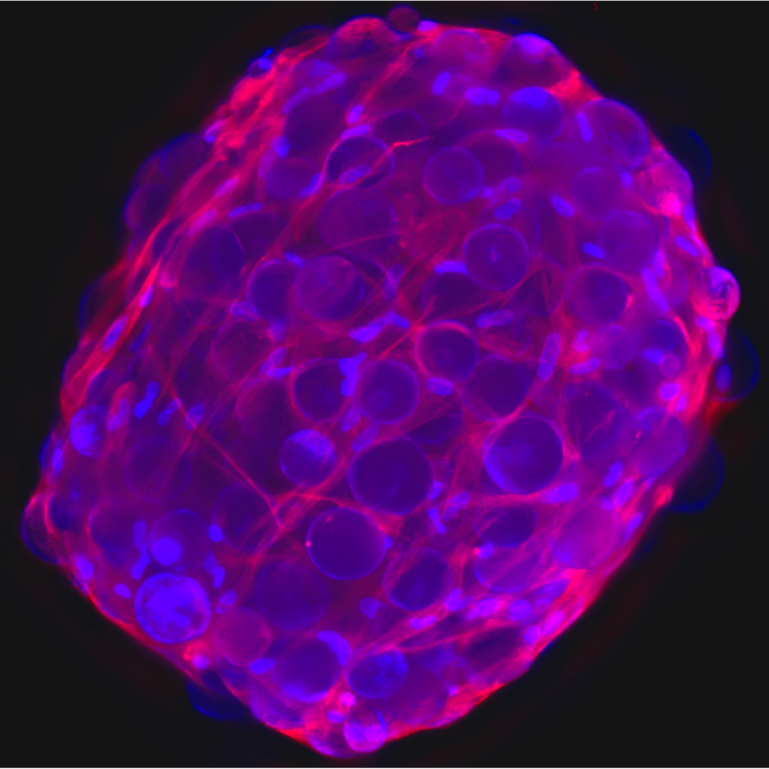
Lilian Ouyang
Dr. Ouyang is currently an Associate Professor in the Department of Mechanical Engineering at Tsinghua University. He obtained a Ph.D. degree in Materials Science and Engineering at Tsinghua University (2017), postdoctoral training in Materials and Bioengineering at Imperial College London (2017-2020), and a visiting research training in Bioengineering at the University of Pennsylvania (2015-2016). His research interests include the design, fabrication, and application of complex biomaterial and cellular systems, with a central focus on the development of 3D bioprinting and advanced biofabrication technologies for tissue and organoid engineering. He has published a series of peer-reviewed articles in well-recognized journals, with a total Google citation of 5900+ and H-index of 27. He is currently an Associate Editor of Biomaterials Advances and the International Journal of Bioprinting, an editorial board member of Biofabrication and Materials Today Bio. He has been recognized with a series of awards, including the ISBF New Investigator Award (2021).
Jelena Rnjak-Kovacina
Prof Jelena Rnjak-Kovacina received her PhD from the University of Sydney in 2011 and postdoctoral training at Tufts University in Boston. In 2014, she joined the School of Biomedical Engineering at the University of New South Wales in Sydney, where she leads a multidisciplinary team investigating novel biomaterials and devices for the treatment of cardiovascular disease, with an emphasis on silk. Jelena's recent work centres on engineering small-diameter vascular grafts, aortic valve leaflets, and microgels for soft-tissue augmentation, emphasising the role of biomaterial morphology in shaping tissue responses to implants. She is the recipient of the prestigious Future Fellowship from the Australian Research Council and of multiple awards, including the NSW Ministerial Award for Rising Stars in Cardiovascular Research. Jelena is a Fellow of the Tissue Engineering and Regenerative Medicine International Society, President of the Australasian Society for Biomaterials and Tissue Engineering and serves on multiple scientific advisory and editorial boards.
Sabine van Rijt
Sabine van Rijt is Professor and Chair of the Instructive Biomaterials Engineering (IBE) department at the MERLN Institute for Technology-Inspired Regenerative Medicine, Maastricht University. Her research is rooted in the chemical design of inorganic nanomaterials and nanocomposite biomaterials that actively instruct biological systems. She develops multifunctional nanoparticles and nanocomposite matrices that are used as tracers, surface coatings, and building blocks within hydrogels to control nano–bio interactions. These platforms are designed to steer stem cell differentiation, promote tissue regeneration, or induce cancer cell death. A central theme in her work is transforming inorganic nanomaterials from passive carriers into active regulators of cell behavior. Sabine is active in several national and international consortia, including the NWO Gravitation program Materials Driven Regeneration, SUMMIT grant (drive-RM) and co-applicant on multiple EU-funded projects (Premstem and Jointpromise). In 2023, she was awarded an ERC Consolidator Grant focusing on responsive biomaterials for hard tissue regeneration and osteosarcoma treatment.
Maria Pau Ginebra
Maria-Pau Ginebra is Scientific Director of the Barcelona Research Centre in Multiscale Science and Engineering, and Professor in the Department of Materials Science and Engineering at Universitat Politècnica de Catalunya, Barcelona, Spain, where she heads the Biomaterials, Biomechanics and Tissue Engineering Group. Her research centers on innovative biomaterials for tissue engineering, particularly for bone regeneration and antimicrobial applications, including pioneering work on bio-inspired ceramics and 3D-printing for regenerative medicine. She leads numerous projects, including an ERC Advanced Grant, as well as translational projects to the clinic and industry. In 2013 she founded the spin-off company Mimetis Biomaterials. She has authored more than 300 scientific articles. In 2019 she received the Klaas de Groot Award from the European Society for Biomaterials and in 2025 the National Research Award in Engineering and Architecture by the Spanish Government. She is a Fellow of the International Union of Societies for Biomaterials Science and Engineering.
Xin Zhao
Dr. Xin Zhao is a Professor in the Department of Applied Biology and Chemical Technology at The Hong Kong Polytechnic University (PolyU). Her research focuses on Translational Regenerative Medicine, integrating material science, cell biology, engineering, and medicine to develop tissue-engineered organs and address clinical challenges. Dr. Zhao has published over 100 articles (h-index 67) in leading journals and is recognized as a Highly Cited Researcher (Clarivate Analytics, 2022) and among the World’s Top 2% Scientists (Stanford University, 2023–2025). She has received numerous awards, including the National Science Fund for Excellent Young Scholars (2021) and the Outstanding Scientist Award of TERMIS-AP, 2025. Her innovative bone grafts and 3D-printed scaffolds have won multiple international invention awards and attracted significant funding for clinical translation. Dr. Zhao also serves as a founding and associate editor for several scientific journals.
Daniel Kelly
Prof Daniel Kelly leads a multidisciplinary tissue engineering group based in the Trinity Centre for Biomedical Engineering at Trinity College Dublin. The goal of his lab is to develop novel tissue engineering and 3D bioprinting strategies to regenerate damaged and diseased musculoskeletal tissues such as articular cartilage, meniscus and bone. To date he has published over 220 articles in peer-reviewed journals. He is the recipient of five European Research Council awards (Starter grant 2010; Consolidator grant 2015; Proof of Concept grant 2017, 2023; Advanced grant 2021).
Małgorzata (Gosia) Włodarczyk-Biegun
Małgorzata (Gosia) Włodarczyk-Biegun leads the Biofabrication and Bio-Instructive Materials research group, operating internationally between the University of Groningen in the Netherlands and the Silesian University of Technology in Poland. Her interdisciplinary work integrates materials science, chemistry, physics, and tissue engineering to develop dynamic bioinks, gradient scaffold architectures, and advanced multimaterial bioprinting strategies that enable biologically relevant in vitro tissue models with spatially and temporally evolving properties. She has secured multiple national and international competitive grants, including funding from the Netherlands Organisation for Scientific Research (NWO) and the National Science Centre, Poland (NCN), as well as an ERC Starting Grant. Her scientific impact has been recognised through international distinctions, including the TERMIS-EU Robert Brown Early Career Principal Investigator Award, the ISBF (International Society for Biofabrication) Inspiring Leadership Award, and the Researcher Star Award for the internationalisation of Polish universities. She is actively engaged in education, mentoring, international collaboration, and leadership within the biomaterials community.
Judith Feucht
Judith Feucht is a W2 professor for Cellular Immunotherapies in Cancer at the University of Tübingen. She studied Medicine at the University of Tübingen and worked as a physician scientist at the University Children’s Hospital. In 2015, she joined the research team of Michel Sadelain, M.D., Ph.D. for her postdoctoral studies at MSKCC in New York (USA) and trained in the design and development of CAR T cell therapies. She returned to Tübingen in 2020 to continue her work as a physician at the University Children’s Hospital and to establish her own research program on cellular immunotherapies within the “iFIT“ Cluster of Excellence. Her translational research aims at developing enhanced CAR therapies to improve clinical responses and provide best therapies to patients. Dr. Feucht has published in several leading journals including Nature, Nature Medicine, and Nature Cancer. She holds an ERC Starting grant and has received several awards, including the Life Sciences Bridge Award, the Curious Mind Award, and the Friedmund Neumann Prize.
Carsten Werner
Carsten Werner is Professor of Biofunctional Polymer Materials at TU Dresden and the Scientific Director of the Leibniz Institute of Polymer Research Dresden (IPF), Germany.After earning a diploma in chemistry from the University of Würzburg and a doctoral degree from TU Dresden in 1999, he established a biomaterials program at the IPF. From 2000 to 2018, he also held an Adjunct Professorship at the Institute of Biomaterials at the University of Toronto, Canada. Since 2008, he has been a full professor at the Faculty of Chemistry and the Center for Regenerative Therapies at TU Dresden; since 2019, he has served as a Core Principal Investigator in the Cluster of Excellence "Physics of Life" at TU Dresden. The research of the Werner Lab focuses on exploring living matter through physical and materials science methodologies, developing biomimicry-inspired functional polymer materials, and translating biomaterials technologies into applications. Recent work includes proteoglycan-inspired multifactor affinity materials for immunomodulation and tissue engineering. Carsten Werner is an elected member of the German National Academy of Science and Engineering and the Leibniz Association. His research has been recognized with numerous awards, including the MaterialVital Award from the German Federal Ministry of Science and Education and the Career Achievement Award from TERMIS EU. His work has also led to several patented technologies and the establishment of spin-off companies.
Fan Yang
Fan Yang is an Associate Professor with tenure at Stanford University with joint appointments in the Departments of Bioengineering and Orthopedic Surgery. She is the founder and Director of Stanford Stem Cells and Biomaterials Engineering Laboratory, and also Co-director of Stanford NIH Biotechnology Training Program. Her research seeks to develop hydrogels with unique micro- and nano-scale properties to promote stem cell differentiation, tissue regeneration and immunomodulation, with a focus on musculoskeletal diseases. Her lab also harnesses biomaterials to create 3D cancer models with in vivo-mimicking phenotype and drug responses. Such 3D models could enable discovering novel druggable targets that would otherwise be missed using conventional 2D culture, and enable high-throughput drug screening with reduced cost and time than animal models. Prior to joining Stanford, Dr. Yang received her Ph.D. in Biomedical Engineering from Johns Hopkins University, and then completed a postdoctoral fellowship at MIT under Prof. Robert Langer. In recognition of her innovation, she has been recognized by numerous awards including Fellow of American Institute for Medical and Biological Engineering, MIT TR35 Global list honoree, National Science Foundation CAREER award, Young Investigator Award from Society for Biomaterials, Ellen Weaver Award by the Association for Women in Science, Baxter Faculty Scholar Award, the McCormick Faculty Award, and Stanford Asian American Faculty Award etc.
Milica Radisic
Dr. Milica Radisic is a Professor at the University of Toronto, Tier 1 Canada Research Chair in Organ-on-a-Chip Engineering and a Senior Scientist at the Toronto General Research Institute. She is a co-founder of the Center for Research and Applications in Fluidic Technologies (CRAFT) and a scientific lead of the Human Organ Emulation Self-driving Laboratory of the Acceleration Consortium. She is a Fellow of 10 academies and professional societies including the Royal Society of Canada-Academy of Science, Canadian Academy of Engineering, Canadian Academy of Health Sciences, the American Academy for the Advancement of Science (AAAS), the American Institute for Medical & Biological Engineering (AIBME) etc. She obtained her B.Eng in Chemical Engineering from McMaster University and Ph.D. from MIT. She was a recipient of the MIT Technology Review Top 35 Under 35, Queen Elizabeth II Diamond Jubilee Medal, NSERC E.W.R Steacie Fellowship, YWCA Woman of Distinction Award, Killam Fellowship, Acta Biomaterialia Silver Medal, Humboldt Research Award, NSERC Polanyi Prize, Governor General Innovation Award to name a few. Her research focuses on organ-on-a-chip engineering and development of new biomaterials that promote healing and attenuate scarring. She is internationally acclaimed for spearheading the field of organ-on-a-chip (OoC) engineering. To overcome the limitations of non-expandable human cardiomyocytes and species differences in animal models, her lab leveraged induced pluripotent stem cells (iPSCs) to build functional human heart tissue and mature it using long-term electrical stimulation, enabling modeling of patient-specific cardiac disease. She developed new methods to vascularize tissues. She is an Executive Editor for ACS Biomaterials Science & Engineering, Senior Consulting Editor for the Journal of Molecular and Cellular Cardiology, a reviewing editor for eLife and a member of the editorial board of another 8 journals. She served on the Board of Directors for Ontario Society of Professional Engineers, Canadian Biomaterials Society and McMaster University Alumni Association. She organized Keystone, EMBO and ECI conferences and numerous sessions at TERMIS and BMES meetings. She is BME Review Panel Chair for the Canadian Institutes of Health Research and member of review panels for CIHR and NIH. She is a co-founder of two companies TARA Biosystems (acquired by Valo Health), that uses human engineered heart tissues for screening of AI designed drugs, and Quthero that advances regenerative peptide materials. Her work has been presented in over 260 publications, garnering over 27,000 citations with an h-index of 81. Her publications appeared in Cell, Nature Materials, Nature Methods, Nature Protocols, Nature Communications, PNAS etc.
Zev Gartner
Zev Gartner is a Professor in the Department of Pharmaceutical Chemistry at the University of California, San Francisco. His lab’s research focuses on understanding the self-organization, maintenance, and breakdown of tissue structure. The lab’s long term goal is to leverage this understanding to guide the formation of complex human tissues and organs from simpler building blocks. Professor Gartner received his B.S. in Chemistry from UC Berkeley in 1999 and his Ph.D. in Chemical Biology in 2004 with David Liu at Harvard University. In 2005 he completed postdoctoral training with Professor Carolyn Bertozzi at UC Berkeley. He has been honored with awards including the Kimmel Scholar award, the NIH New Innovator Award, and the Era of Hope Award from the Department of Defense Breast Cancer Research Program. He co-directs the NSF Center for Cellular Construction, has been named one of Popular Science’s ‘Brilliant 10,’ and is a Chan Zuckerberg Biohub Investigator.